About Goldstone
Turning ideas, challenges and opportunities into systems that work.
Our mission
Goldstone Solutions exists to help ambitious businesses and purpose-driven organizations turn ideas, challenges, and opportunities into systems that work.
Through custom software, artificial intelligence, automation, and applied research, we create practical technology that improves how organizations operate, make decisions, serve people, and grow.
We believe the best technology should not simply make businesses more efficient. It should help good organizations do more good, help important ideas move faster, and expand what people are capable of building.
- Based
- Phoenix, Arizona, serving clients nationwide
- Company
- Goldstone Enterprises LLC
- Also runs
- alot.land, land acquisition and subdivision
- Built
- Five production apps, in daily use
Who builds it
Built by an operator, not just for operators.
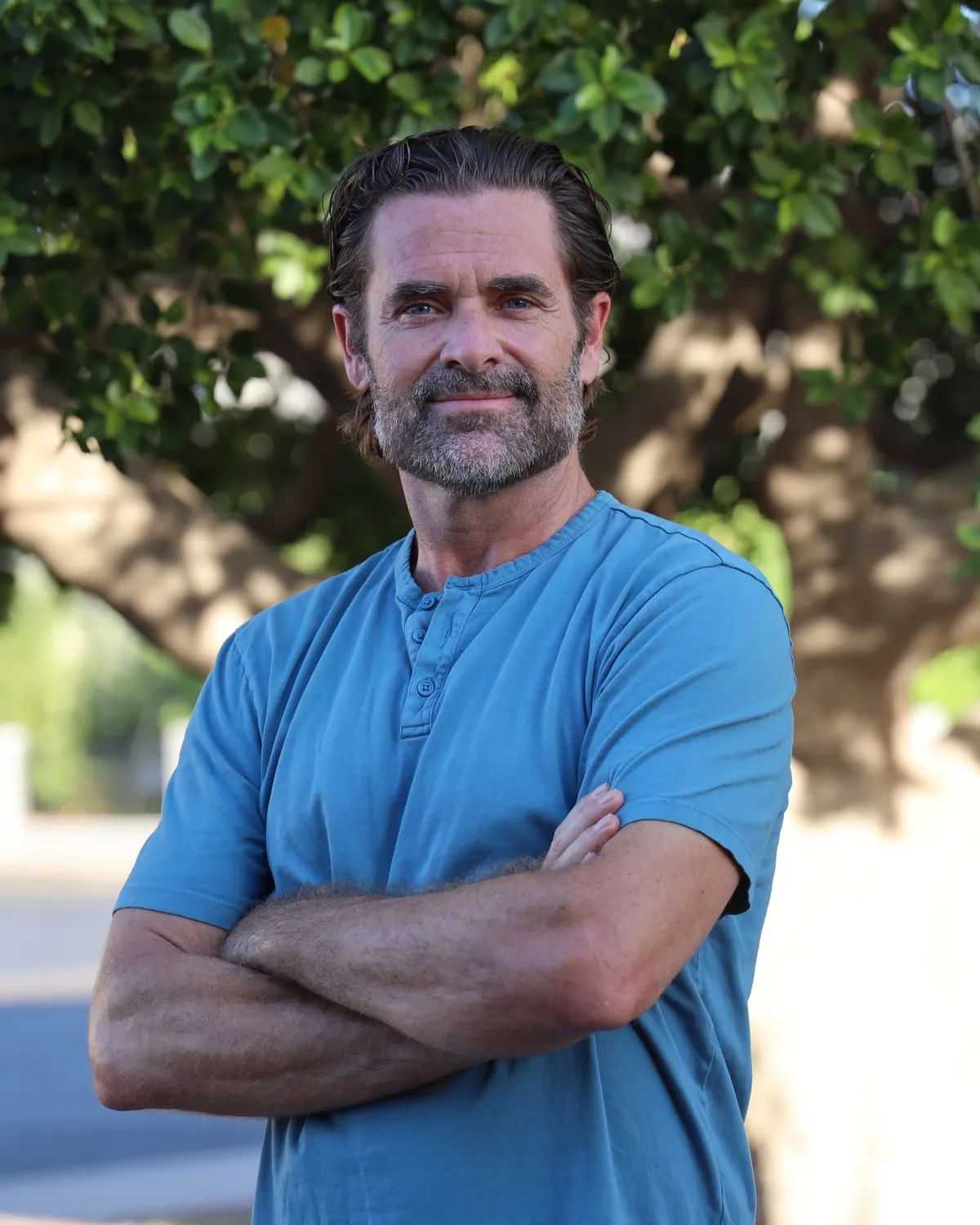
Goldstone started because I kept building software to fix operating problems in my own companies: acquisition tools, underwriting systems, workflow apps, and the websites around them.
I have built a number of companies, and every one of them needed the same things: a way to be found, software that actually did the job, and the systems behind the site that make a business run rather than merely look busy.
So I built them. Repeatedly, for myself: acquisition tools, underwriting systems, workflow applications, and the websites around them. Goldstone is what happened when it became obvious those tools worked just as well for other people with the same problems.
The advantage is not that every industry is the same
It plainly isn’t. A mobile veterinary CT service and a land acquisition business have almost nothing in common on the surface.
The advantage is that Goldstone approaches software from the operating problem first, and asks the same seven questions before writing anything:
- What is expensive?
- What is repetitive?
- What breaks?
- What software already works and should stay?
- What should stay manual?
- What actually needs to be connected?
- What would justify building custom software at all?
Most of those questions reduce scope rather than expand it. That is the point. The most valuable thing an operator can hear is which parts of the problem do not need software, and an agency paid to build software is rarely the one saying it.
What that means for how we work
Your existing tools usually stay. If your team runs deals in FreedomSoft or GoHighLevel, replacing it abandons years of records to solve a problem you do not have. Connecting what you already run is almost always the better build.
Custom and licensed are different things, and we say which is which. Goldstone builds software from scratch, and Goldstone licenses platforms it already owns and runs. Which parts of your system are which is settled in the agreement before development starts, never discovered afterwards. The full policy is on ownership and licensing.
Software should answer an economic question. Not a technical one, and certainly not a fashionable one. If a system will not pay for itself in work won or hours returned, the honest recommendation is to not build it, and you will get that recommendation.
Based in Phoenix, Arizona. Serving clients nationwide.
The office is at 7301 N 16th St, Suite 102. Being local matters for anything involving photography, video, or being in the room. Everything else works remotely, and a good portion of the work always has been.
David Stone · Founder, Goldstone Enterprises LLC
What we build
Five kinds of work, and they are not interchangeable.
Most engagements are one or two of these. Naming them separately is how a quote stops being a number somebody argues with.
- Custom software
- Built from the operating problem rather than from a feature list. Usually smaller than people expect, because most of the questions worth asking reduce scope.
- AI implementation
- Applied to a specific step that is worth automating, with a stated cost and a way to tell whether it worked. Not a layer added because the technology is available.
- Automation
- Work removed rather than moved. The test is whether anybody still has to watch it.
- Connected business systems
- The tools a company already runs, joined so that nobody has to sit between them retyping. What already works usually stays.
- Applied research
- Investigating approaches that are not settled yet, and building them far enough to find out. Described below, with what it is not.
Who we serve
Organizations close enough to the work to know what is expensive.
Based in Phoenix, Arizona, working with clients nationwide.
- Ambitious businesses, most often owner operated, where the person deciding is still close to the work.
- Founders building the first version of something, who need it to be right rather than impressive.
- Mission driven organizations whose operating constraints are real and whose margin for waste is small.
- Teams solving problems that matter to somebody other than themselves.
What these have in common is not an industry. It is that somebody can answer the question of what the current way of working actually costs, which is the question every engagement starts with.
Technology with a purpose
A system earns its place or it does not get built.
Better operations, better decisions, better service and growth a business can carry are not four separate products. They are what happens when the work stops leaking at the handoffs, and they are the only reasons worth spending money on software.
So the recommendation is sometimes to buy something off the shelf, and sometimes to leave a step manual. An agency paid to build software is rarely the one saying that, which is precisely why it is worth saying.
Research & experimental initiatives
Applied research, stated as exactly what it is.
Part of Goldstone's work is investigating approaches that are not settled yet: new ways to use AI, new system designs, new ways of building the same thing. The point is to build them far enough to find out whether they hold.
Applied means it has to survive contact with a real operating problem. Experimental means it may not. Both are true at once, and work that reaches a client is work that already came through that.
This is private commercial research inside a software company. It is not an academic department, a research institute or a government program, and it carries no outside backing of any kind. Saying so plainly is cheaper than being asked.
Goldstone Labs is where the current experimental work is described, and what it has and has not demonstrated is written on that page rather than summarized here.
Why it matters
What a well built system makes possible.
Goldstone is a commercial technology company and the work is bought and paid for. That is not in tension with the last line of the mission. An organization doing something worth doing is usually constrained by the same things as any other business: the quote that one person has to check, the schedule that lives in somebody's head, the handoff that happens by text message.
Removing those gives a good organization more of its own capacity back, and that is the whole of the claim. Not that software is virtuous, and not that Goldstone is a charity. Capacity returned to people who will use it well is simply a better outcome than capacity returned to people who will not, and it is reasonable to prefer the first.
Questions serious buyers ask before a build.
Who leads my project?
David Stone leads it personally: scoping it, architecting it, and staying accountable from the first call through delivery. Goldstone is founder-led, so there is no handoff to an account manager and no layer of juniors between you and the person who understands your system. Where a project genuinely needs a specialist, one is brought in for that part and you are told who they are before they start. What does not change is that one named person owns the outcome.
How does Goldstone stay accountable on a complex software build?
Through documented scope, version-controlled source, tested releases and managed infrastructure, not through reassurance. What the system will do is written down before work starts, and a change to that scope is re-quoted rather than absorbed quietly and discovered later. Work ships in reviewable stages, so you see the real thing running early instead of at the end. Every project carries its own documentation, and one named person owns the result from the first call to delivery.
What happens to my system if Goldstone becomes unavailable?
Nothing about your system depends on Goldstone being reachable. Your data, your content and your domain are registered in your name, your project's source sits in a version-controlled repository, and the whole thing is built on standard tools and documented deliberately, so another competent developer can pick it up without an archaeology project first. Hosting moves to your own account whenever you ask, and there is no fee for leaving. Your agreement sets out exactly which work transfers and which reusable Goldstone components stay licensed, settled before the build, not argued about after it.
What software has Goldstone actually built and run?
RoverCT is an active paid client build in advanced implementation: a public site, a portal its referring practices use, scheduling, operational records, CRM and notes, a billing and payment workflow, and the dashboard its operator runs the day from, 23 screens and 172 passing automated tests at last verification. Goldstone also builds and runs its own client portal and the configurators that price a build on this site. Nothing is recommended here that Goldstone has not built or paid for itself.